
CREATIVE BUILDING BLOCks
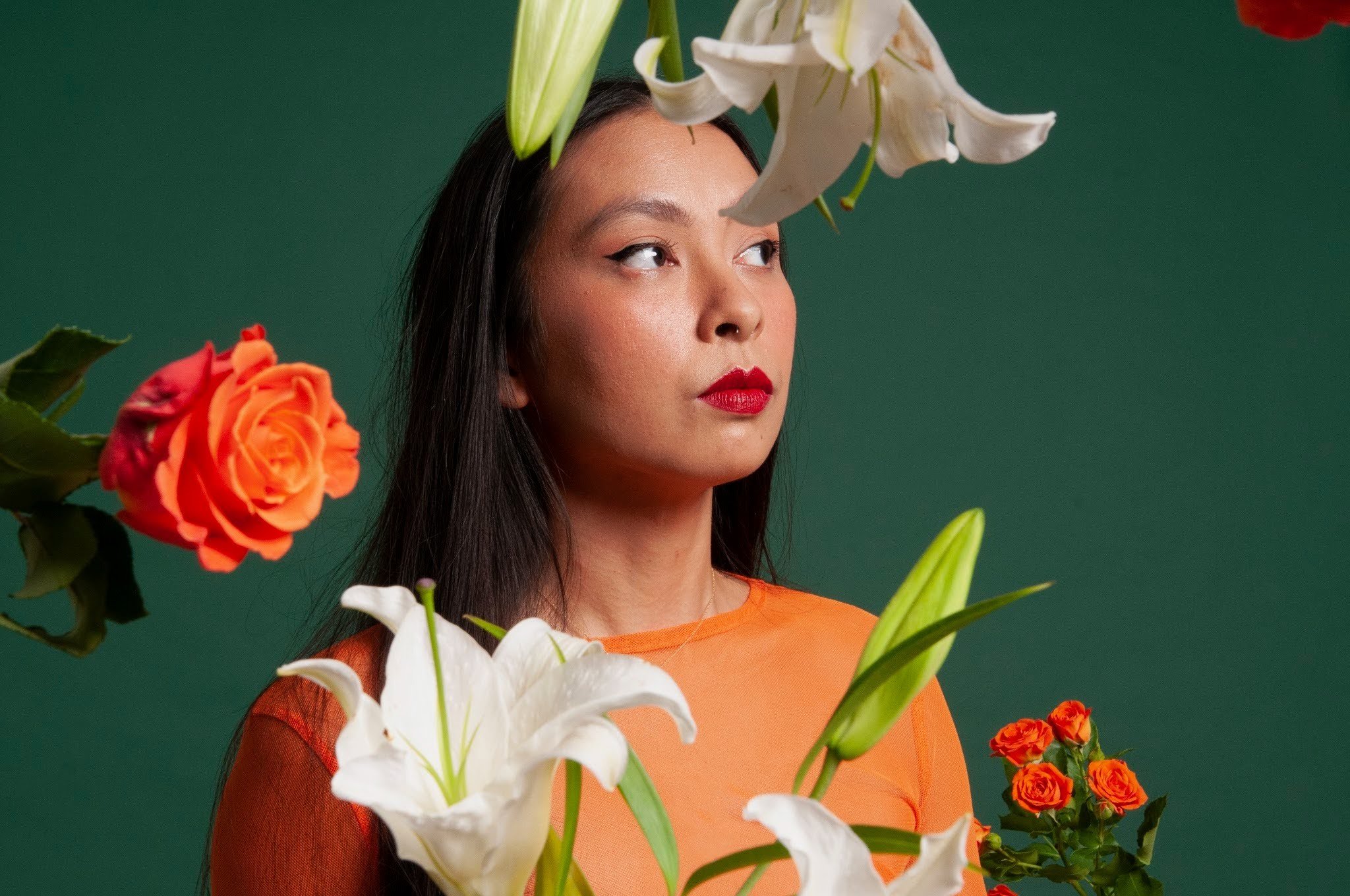
Cross Town Classic (Zoom meeting between Empty Bottle and a co-working space in Lake View) : REBECCA VALERIANO-FLORES catches up with MATT CIARLEGLIO.
📷 Ash Dye.
Conversation recorded & transcribed August 14th, 2026
MATT CIARLEGLIO: How are you doing today?
REBECCA VALERIANO-FLORES: I'm doing great. Got up super early at 430 today, so I feel good.
MATT: Jeez.
REBECCA: I prefer it.
MATT: I'm definitely more of a morning person, but that's super early.
REBECCA: My fun little side gig is I work at the front desk of my gym and I opened today. It opens at 5:30am and I have to, you know, get there and unlock the door. I love it.
MATT: I've always been more of a morning person except the decades that I was kind of perpetually hung over. Outside of that, I've always enjoyed the mornings. 6:30am is kind of my sweet spot for waking up. How long have you lived in Chicago?
REBECCA: Around 20 years, I briefly lived in Bloomington, Indiana for like a year and a half or so. I grew up in San Jose, California. I was going to college out there briefly, but then I dropped out and moved to Chicago when I was 19
MATT: Hell yeah. Why did you choose Chicago?
REBECCA: I had actually never been here before. I had only been out of California once, but at 19 years old, me and my sister were moving at the same time, so we decided to move together. We wanted to live in a big city, big Urban city. She had already lived in New York City. San Francisco was kind of too close to where we lived, so Chicago was the next biggest city. So we moved. She had been here one time for a weekend, but we were kind of going in blind. We got an apartment off of Craig's List, like, totally unseen, in Wicker Park. It was really cool.
It was 2005. Our rent was $800 or $850 for a two bedroom apartment on Damen.
MATT: That's insane. I think it's like $4,000 now.
REBECCA: Yeah. We kind of moved here on a whim.
MATT: I love that. Were you playing music at that time?
REBECCA: No, not at all, really. Some of my family were musicians. We had an acoustic guitar at home and I could play an open chord but I didn't really play in bands. I never had lessons or anything like that. So when I moved here I bought a guitar and started teaching myself how to play guitar.
MATT: Was there some sort of catalyst that made you buy a guitar?
REBECCA: I always wanted to play, especially in high school. I started listening to indie music and punk. I was always listening to punk. And so I always wanted to be in a band and I would do some types of, like, not really a performance, but stuff where it had to be in front of a crowd where I was speaking or doing poetry or something like that in high school. But I never had friends who wanted to start bands. So once I moved here and picked up a guitar I started going to garage shows and saw how easy it was. They were not very good [both laugh] which made it kind of seem more accessible. I was going to a lot of shows by myself and then started making friends.
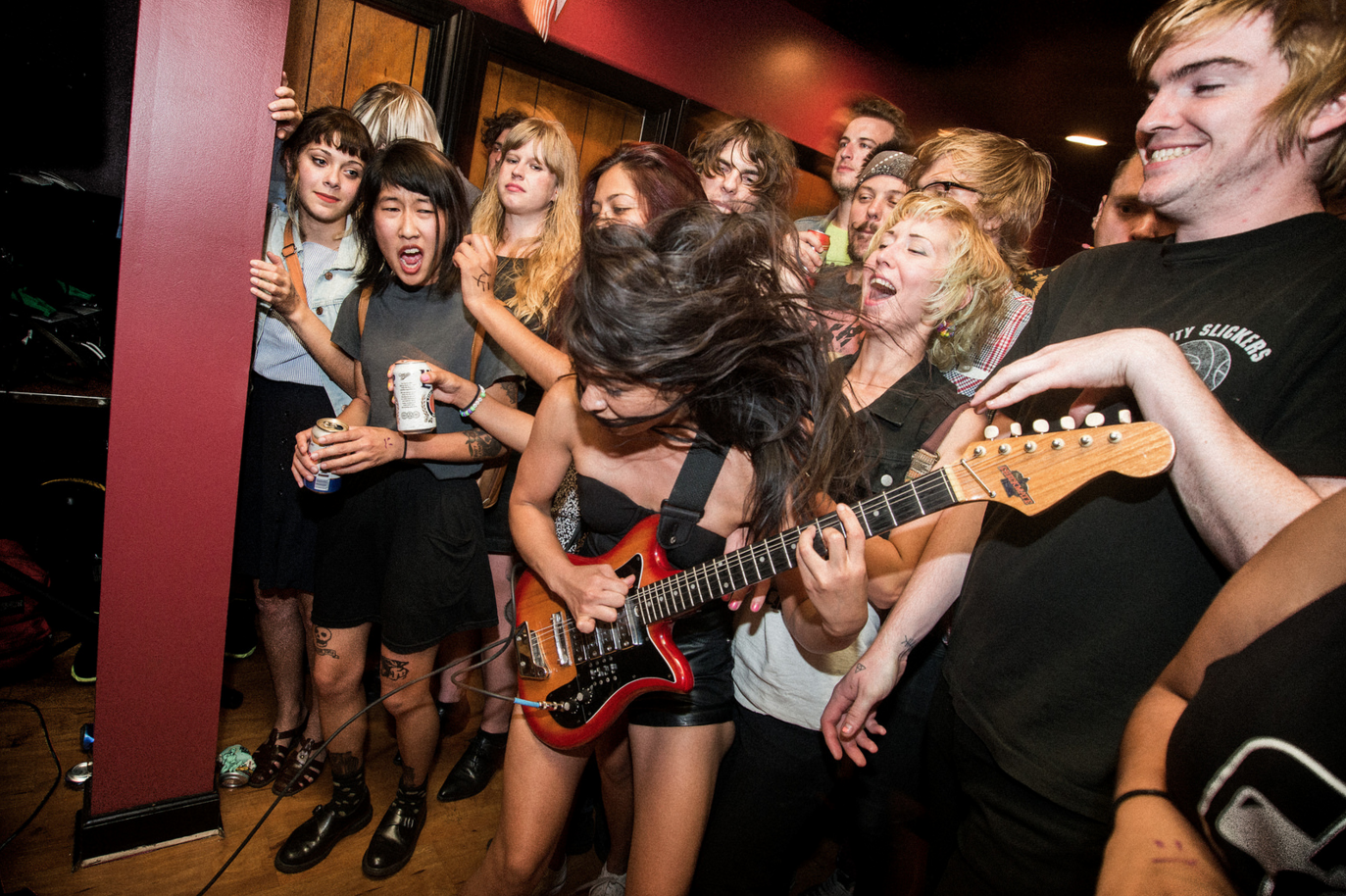
“I have a whole new appreciation for Chicago. I love this place."
- REBECCA VALERIANO-FLORES
📷 Rob Karlic.
MATT: You lived in Bloomington for a little while?
REBECCA: That was only a few years ago. I moved there to work at Indiana University. I loved the job and I loved the campus but it was a college town and it was too small. I felt really isolated and never made any friends.
MATT: Is that part of the reason that you moved back to Chicago?
REBECCA: Yeah, it was hard. I felt so isolated. The people who were around my age were very different from me. They were married and had kids already. There wasn't as much stuff to do.There's a good music scene, but it's college and a lot of students and older people who I didn't really know. That part of it was really hard. And I missed Chicago a lot, the whole time. I really tried to make it work. I really wanted it to work in Bloomington, because the job was so good. But in the end, I was already going back and forth between Chicago and Bloomington and finally found a full-time job, so the timing was really good. So I moved back after about two years.
MATT: Leaving that foundation after so long must have been really hard.
REBECCA: Feeling isolated actually started before I moved to Bloomington, because the DIY scene was going strong, Negative Scanner was going strong. And then COVID hit and I was living alone for almost all of it. Even when things started to open back up, I had a hard time making friends. I kind of realized that everyone I knew was from music and without going to shows and without playing shows, I had no friends anymore. Even when shows started happening again I didn't go out as much. I didn't know how to make new friends and keep friends. When you go to shows, there's no effort because there's people around that you know. You know that you'll probably see someone at another show. Or when you want to hang out with friends, it's like, “Do you want to go to this show?”.
It got hard for me to reach out to people. It was hard for me to meet new people. I was still pretty isolated. And that's when I moved to Bloomington. And then I was like, really, really isolated. Bloomington honestly kind of changed my whole life, speaking of community, because I didn't play music there at all. I thought that was me. I thought that was my problem. But when I moved back to Chicago and was in a community of musicians, I started making music again. And there are a lot of reasons for that, but, I realized how important it was to be surrounded by music and musicians when it came to my own creativity and ability to make music.
MATT: Were you excited to move back to Chicago?
REBECCA: Yeah! It was a whole new experience, too. Not only because I moved to a new neighborhood but also seeing parts of the city. Seeing the skyline, seeing the lake, going to a coffee shop and seeing other people who are like me. That part of it felt so good and so new again. It's that new-city feeling of opening your eyes to this huge world. Chicago is so cool, there's so much going on, so much to do and each neighborhood is different.
Experiencing that again, I'm just so stoked to be back. I'm glad that I moved because it made me realize that this [Chicago] is my home. Really my home. My mom moved here last year so we're kind of rooted here, at least for a little while.
MATT: I felt similarly, physically moving back to the city. I think it was in combination with growing into sobriety, but there is so much to appreciate in this city.
REBECCA: I have a whole new appreciation for Chicago. I love this place. Seeing a city in a new way and physically being here is such a big, important part of who you are, and the people you surround yourself with. The geography of being near the lake and doing different things. I'm running now. I have a lake route and get to see the city in a new way. I'm meeting people that way, too. After most of my community being from music, now a lot of my community is from running. It is also so new and a whole other side of the city.
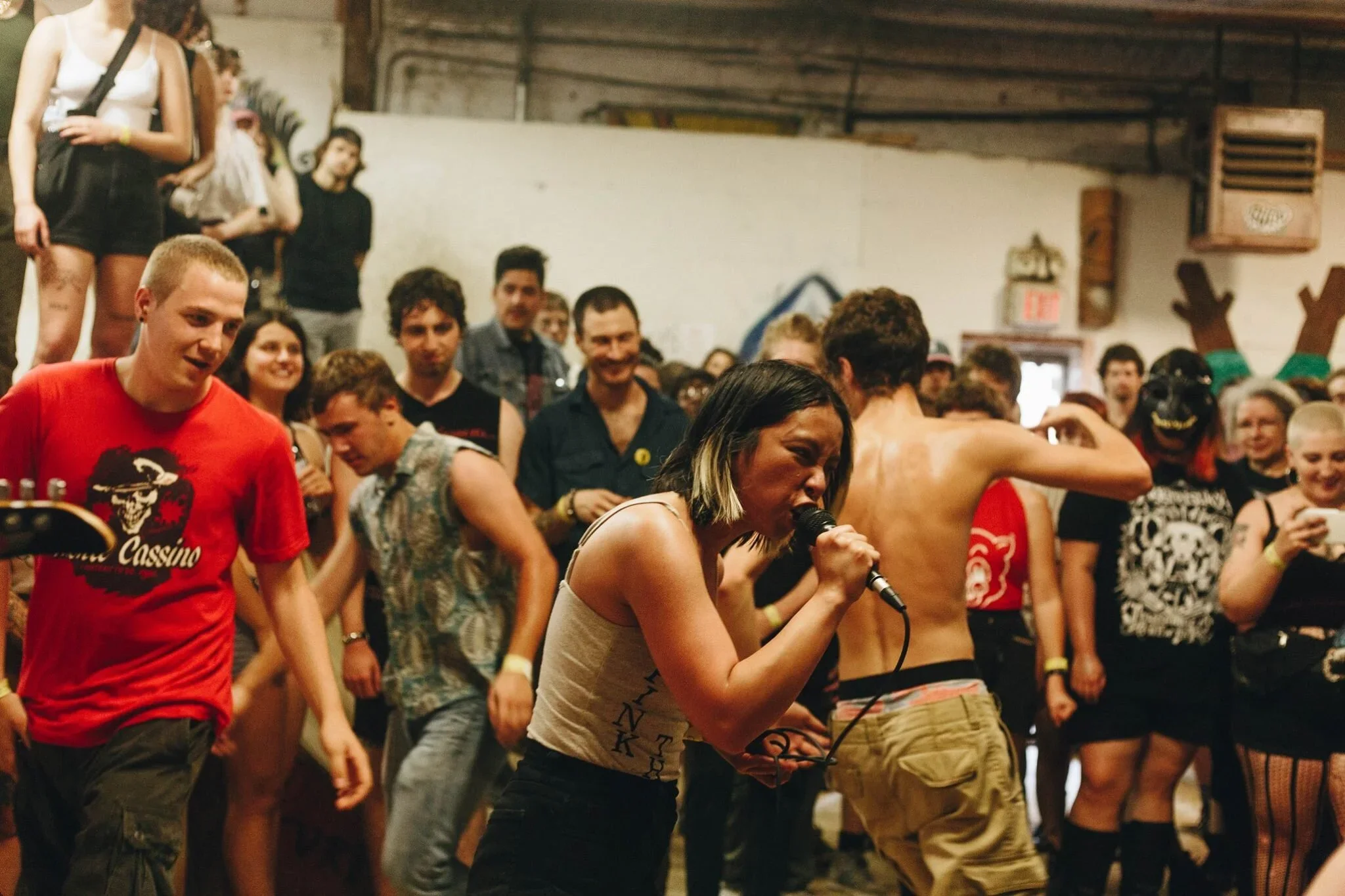
“I realized how important it was to be surrounded by music and musicians when it came to my own creativity and ability to make music. ”
- REBECCA VALERIANO-FLORES
📷 Veronica Mullen.
MATT: I think about that too, because there are so many different ways to see the city. It's different when you're biking, where my sightlines are totally different than when I’m walking. Same thing with driving, or running. And then you have the train and the bus.
REBECCA: Yeah, on the bus!
MATT: You kind of have these different versions of it and it's so cool to be able to see all of them. Running is this whole new way to see the city where I'm like, “I've never been on this weird little street before.”
[both laugh]
Anyway, I think that the first time that you played at Empty Bottle was with Tyler Jon Tyler, I think it was January 23rd, 2009 for a Girl's Rock Chicago! fundraiser.
REBECCA: Oh, really?
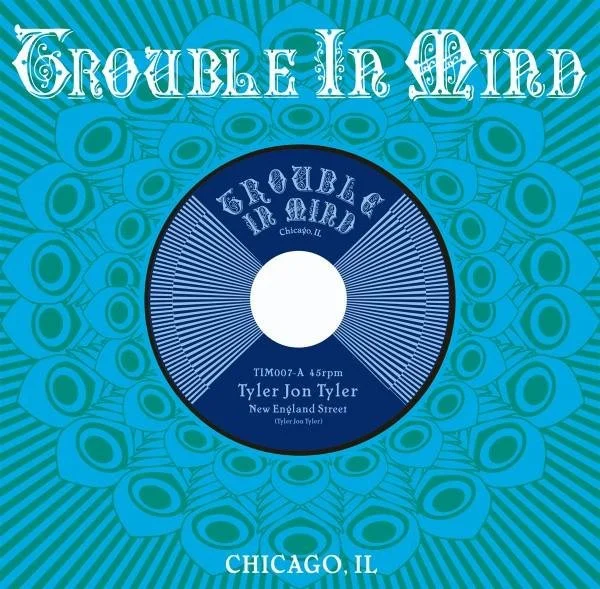
MATT: That's at least what I was able to find. I used to religiously get the READER and look at the Upcoming Shows and Early Warnings sections. I remember reading your old band name, Tyler Jon Tyler, and thinking “That's a weird name for a person.”. Eventually I realized it was a band. I went to Reckless and found your 7” and bought it. I think it was the first 7” I had ever bought because I had gotten a job and I could finally afford one record every paycheck. It had the song New England Streets on it, which made me feel very nostalgic for my childhood on the East Coast. Eventually you ended up playing a show at my house.
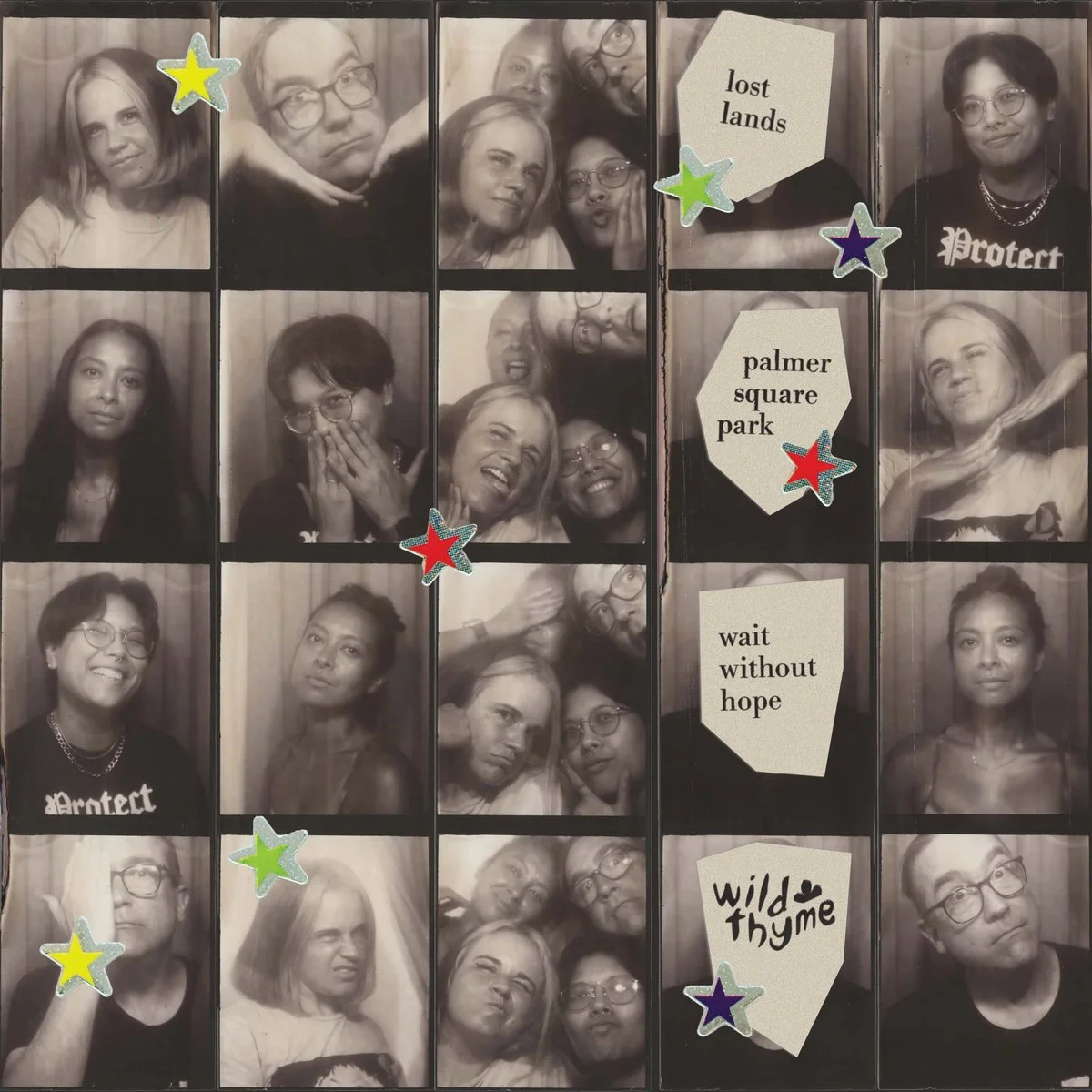
So, you started with Tyler Jon Tyler, then Negative Scanner, and now we have Wild Thyme. How did Wild Thyme form?
REBECCA: This is a great story. I took part in a rock and roll lottery. It's this thing where everyone puts their name in a hat based on what instrument you play and then they draw a random name and form you into bands. Then you have two or three months to write a couple of songs and you perform them at a show at the end. The money from the show goes to an organization or a cause. I've done it two or three other times but this time, I got grouped with the drummer who I've known since I was probably 20 or 21 years old. The bass player was a friend of a friend but I didn't really know her, and the guitar player was a completely new person I had never met and they had never even been in a full band before. An amazing guitar player but this was the first time they were in a band. We got together to write the songs and we got along super well. We're on board with the same influences and stuff like that. So we decided to be a real band! We got so lucky. My bandmates are so great!
MATT: You use E.E. Cummings poetry as some of your lyrics, right?
REBECCA: Yeah. There are three songs that are pretty much word for word from poetry. There's an E.E. Cummings poem, a T.S. Elliot poem, and a Percy Bysshe poem. The reason for that was because when I was in Bloomington, I was not writing music at all. I had rented a house that was surrounded by these fields so that I could play music really loud and not worry about neighbors. I brought all of my music equipment to Bloomington but I moved there within a few months of getting sober. I could play guitar, but I rarely did. I would try to write a song and it would be really hard. That started happening once I got sober and moved. I thought it was a complete creative block. I thought that I could never write music again. I was at the point where I thought I would have to accept the fact that I may never write music again, which had been my entire adult life up until then. But then I moved back and did the rock lotto thing, and that was the first show I played in a couple of years. It was great to be with the band and write songs, but I still couldn't write lyrics. I only sing in that band. I was still having a hard time, but it was different. I wasn't stressed about it as much. After two years of being in Bloomington, I started opening back up to the world.
So instead of torturing myself about it, I just took a poem that I really liked and sang it along to the song. Sometimes before coming up with a vocal melody, I would sing gibberish or I would literally sing the alphabet [both laugh] I didn't feel the pressure of having to finish this part or that part. I was much more relaxed about it so it didn't bother me that I didn't write the lyrics because I love those poems.

“You don’t have to think so far ahead or so far back into your past, try focusing on what you can do today.
Even if it's just one thing.”
- REBECCA VALARIANO-FLORES
📷 Ash Dye.
MATT: Do you think that the creative block was situational to what you were going through or was it because you thought you were out of practice, creatively?
REBECCA: I think a little bit of both. The summer before I moved I was actually writing a lot and writing really intensely. I had been working on a solo project before. I would sit down, glued to my computer and complete a song in 15 hours straight. It was a very intense, different kind of cabin fever. But when I moved, that project didn't work out. It kind of crashed and burned, to be honest. And then I didn't write for a few months. I moved and wasn't around music or musicians. I hadn’t written in a while and I wasn't playing guitar as regularly. I was mentally and emotionally all over the place, having to deal with being isolated and what I left behind. So yeah, I think it was like a mix of all of it.
MATT: Speaking of solo performances, you did a storytelling project with Theo Katsaounis, called The Silence of Memory. It was a very gripping performance and idea, and very different from anything I had seen you do at that point.
REBECCA: I had gone to an artist residency in Spain, which was really cool. Unfortunately, I had to cut the trip short because everyone at the residency started getting COVID. I spent my time there writing and I wanted to write a scary story and so I kind of drew from these three stories. One was a story that my dad told me, another was a recurring nightmare I used to have, and one was an experience I had with an ex-boyfriend who was abusive, and I kind of weaved them together.
When I came back, I honestly just wanted to record a reading of it on video, which is why I got a hold of Theo. But then we were talking and were like, “Should we put music to this?”. He's just a great musician, I loved the bands that he was in. So he wrote a score to go along with it. Our friend asked us to play at Empty Bottle and so we did. I did the reading with him doing the guitar and noise.
It didn't really start out as that kind of project, but then ended up turning into something new. I think the Empty Bottle Show helped that along too, because we didn't have it completely fleshed out. We said yes to the show and then started meeting at the practice space and, you know, trying to do it more as a performance rather than just a video project. I'm so glad because it was such a great experience doing it there, and we ended up going into the studio and recording it.
Our friend who was at the Empty Bottle show asked us after we played if we wanted to put it out on his label, American Dreams.
MATT: That's such a great example of how art changes throughout the process of creating it. I think a lot of people have a fear of doing something because it doesn’t feel complete. Saying Yes to a show or a performance and then just letting it kind of happen. I think a lot of people forget that part of the appeal of live music is that it's not perfect. And I love that you can still be approached by someone at your show that's like, “Hey, can I put out your record?”. I love that so much.
REBECCA. And talk about how important a place is, like, we obviously said yes to the show because we love the Empty Bottle. And so the Empty Bottle is wrapped into the whole process . I feel a sense of completion when something is recorded and released. That really closes a project for me. But I can't get there until I've performed it. And usually with bands, we play those songs hundreds of times before getting it recorded. But that time [The Silence of Memory] we did it one time. I really love that.
MATT: Want to talk a little bit about sobriety?
REBECCA: Yeah! You know, so much of music is at bars and partying and drinking. Starting in our early 20’s, it's fun. We're young enough to kind of do it and still spring back. Drinking and doing drugs were a big part of the community that I was in, for some of the time. Eventually I kind of found a new, different, DIY punk, and hardcore community that was a little bit different than Garage scene.
As I got older, a lot of the things I was doing that were irresponsible and harmful didn't stop. I feel like some people maybe grow out of all of the partying and the debauchery and the drama and all of that. But I didn't grow out of it, even as my life was changing. Going to grad school, my band was doing more, putting out records.
I was still kind of out of my mind. Hurting people who I really cared about, whether that was a partner or a best friend. Physically, I was really unhealthy and I was getting sicker. I had a lot of problems. Pretty much my entire digestive track… but what really scared me the most with my health was when I started having cognitive issues. I started not being able to remember things in day-to-day life.
Not necessarily just when drinking. I couldn't remember things, I could not multitask simple things I would do automatically before. I started having these really negative cognitive effects in addition to being physically sick all the time. I was in grad school at the time. I had a hard time listening and retaining the information when I needed to be in class. And then when it really hit me that I had a problem was when I had a couple of seizures.
Those really, really scared me because at the same time I was treating the people around me, my friends, my bandmates, and the people I was involved with, really terribly and feeling a lot of anger and resentment toward them, toward myself, and toward everything that was going on.
That and being sick, it came to a point where something needed to change and everything that I tried so far had not worked. I tried eating better, exercising, and yoga. I quit smoking. I tried to sleep. I tried to start making a budget. Meditation. I was trying a lot of things but I was still doing all of this stuff. I was still sick. So, I talked to some friends who were sober and through them I kind of realized like, oh, I should just stop drinking.
MATT: How long has it been?
REBECCA: I just passed four years.
MATT: Do you have any recommendations for people that might not have a friend or someone in their community to turn to?
REBECCA: Reach out to someone, anyone. 12 step meetings helped me immensely. I think that people would be surprised how many sober people are around and you just don't know it. I think that people would be surprised how many sober people are around and you just don't know it. Just take it one day at a time. It can be so overwhelming to think “Oh, I got to get sober. I got to go to therapy. I have to do this and that.” It can honestly be a daunting thing that seems like a lot of work. “I have to look into a meeting, try to figure out insurance to go to therapy when I don't even know if I can afford it, or I'm too scared to go to a meeting then I have to put it in my calendar.” It felt like there was too much work.
Stop to take a deep breath and do the next right action, whatever that is. Even if that action is to stop what you're doing and drink water.
You don’t have to think so far ahead or so far back into your past, try focusing on what you can do today.
Even if it's just one thing.
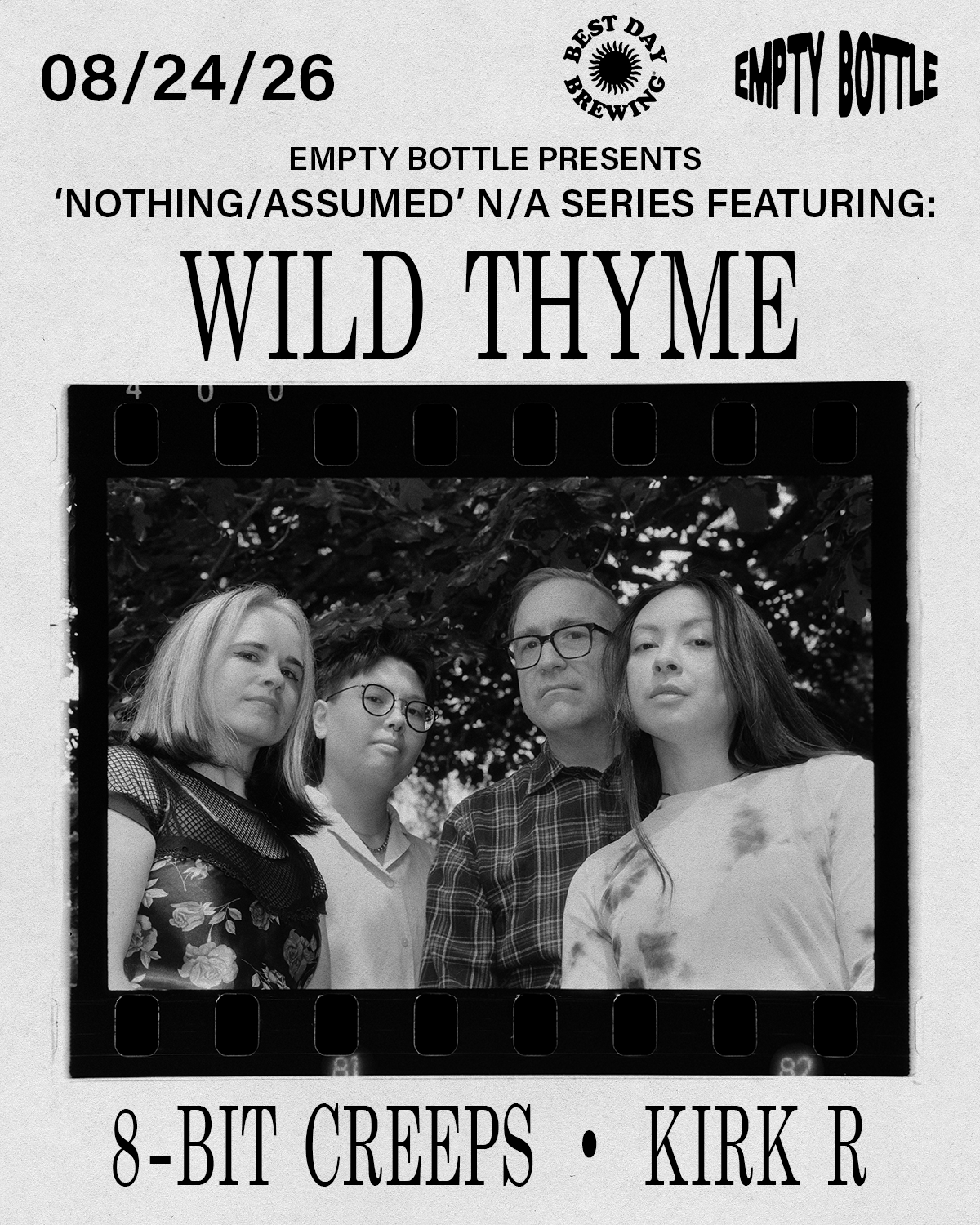
see you at
the show :)